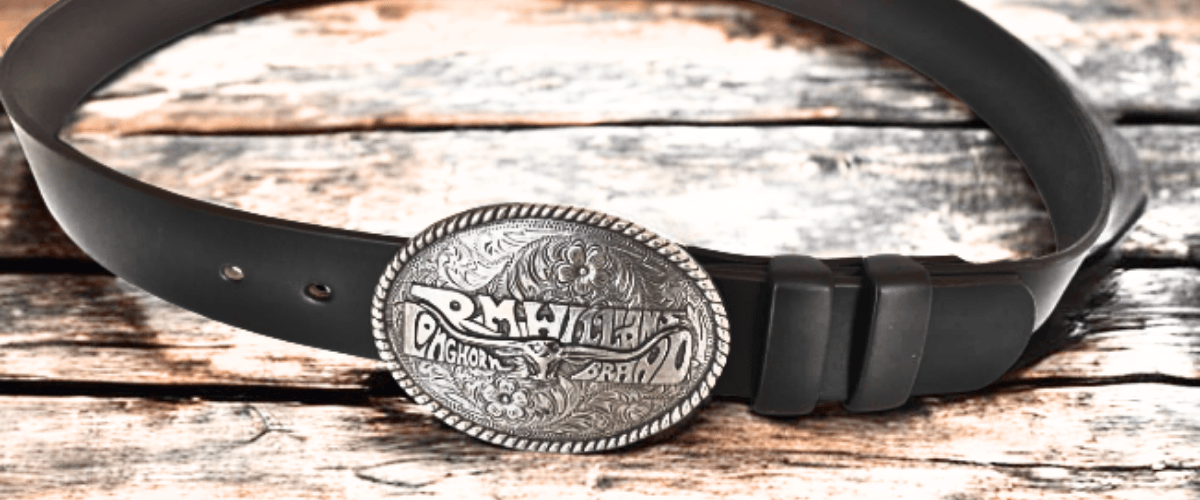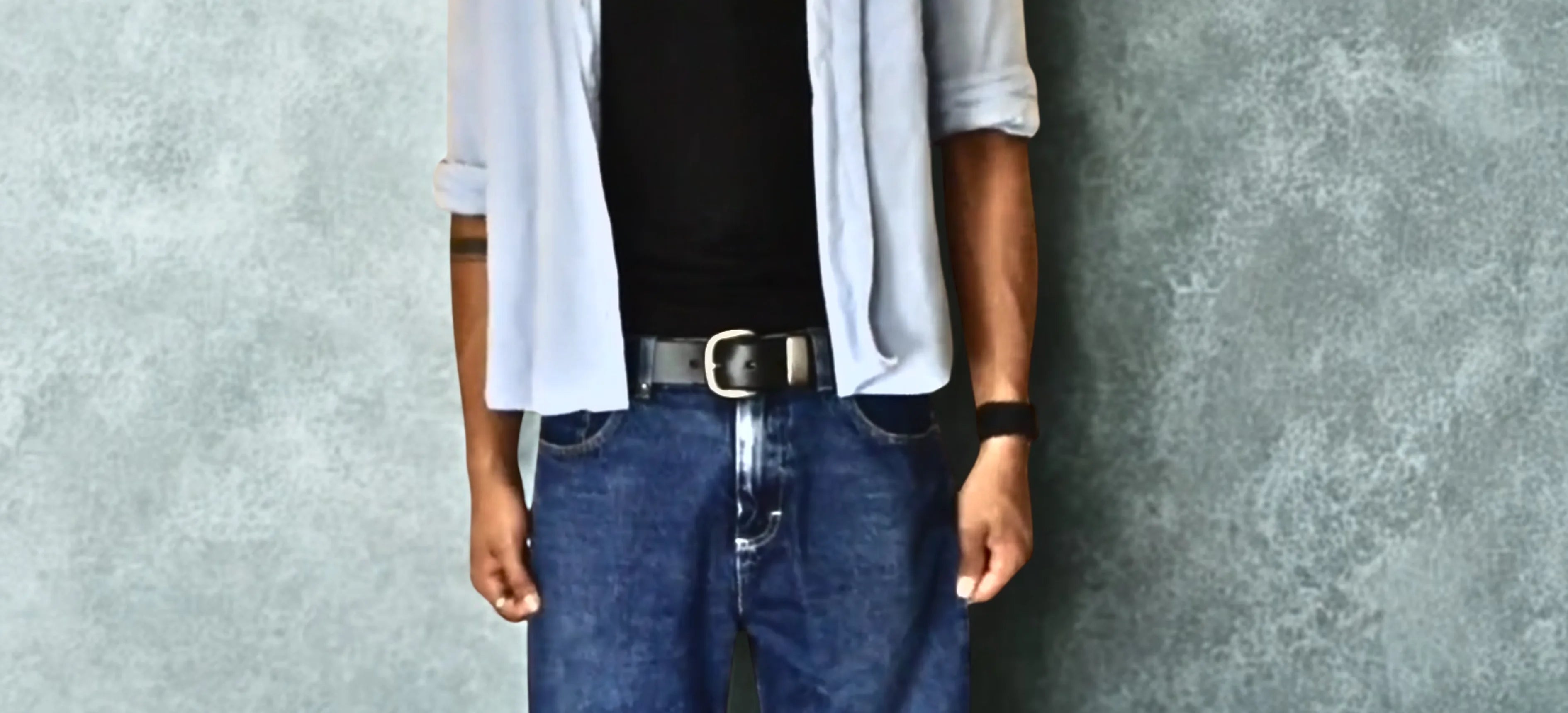

Finding a proper plus size leather belt shouldn’t feel like a challenge — but for many Australians, it is.
Once you move beyond standard sizing, options shrink quickly. Stores that carry extended sizes often compromise on quality, construction, or durability. And when you do finally find something that fits, it may not last more than a season.
At BeltUp Leather Co, we’ve had countless conversations with customers who were simply looking for one thing:
A strong, dependable leather belt in their size.
Here’s why that can be harder to find than it should be — and what to look for when choosing one.
1. Most Retailers Stop at 44–48 Inches
In most mainstream stores, belt sizing typically ends around 44 or 46 inches. A few extend to 48 inches.
Beyond that, belts are often:
-
Special order only
-
Limited in style
-
Made from cheaper materials
-
Poorly constructed
Extended sizing requires larger hides and careful strap placement. Not every manufacturer is set up to produce consistent larger lengths without compromising quality.
At our Brisbane workshop, we regularly stock plus size leather belts up to 58 inches across our core black, brown and tan range. For customers requiring larger sizing, we offer limited extended options up to 70 inches, depending on hide and buckle availability.
The difference is transparency — and proper hide selection.
If you're looking for consistently stocked extended sizes up to 58", with limited options up to 70", you can explore our Plus Size Leather Belts Australia collection here.
2. Many Large Belts Are Bonded or Layered Leather
One of the biggest issues in extended sizing is material choice.
To keep costs down on longer straps, many manufacturers use:
-
Bonded leather (leather fibres pressed together with adhesives)
-
Split leather with synthetic backing
-
Two thin layers glued together to create thickness
While these belts may look substantial at first, they often:
-
Crack along the surface
-
Separate at the edges
-
Warp over time
-
Feel stiff and uncomfortable
A proper extended size belt should be cut from a single piece of solid leather.
Single-piece construction ensures:
-
Structural strength
-
Even wear
-
Natural flexibility
-
Long-term durability
This matters even more as belt length increases.
3. Larger Belts Require Larger Hides
This is something most customers never hear about.
Leather belts are cut from full hides. The usable length of a strap depends on:
-
The size of the hide
-
The placement of natural markings
-
The structural strength of that section
-
The width of the strap
Producing consistent belts up to 58 inches is achievable with proper hide sourcing and workshop setup.
Producing belts above 60 inches requires:
-
Careful hide selection
-
Minimal waste allowance
-
Balanced buckle sizing
-
Structural integrity across a longer strap
That’s why very few leather workshops consistently offer sizes beyond this range.
When you do see belts advertised as “up to 70 inches,” it’s worth asking:
-
Is it a single piece?
-
Or is it joined or layered?
Transparency matters.
4. Comfort Is About More Than Length
A longer belt isn’t automatically a better belt.
Extended size belts need proper:
-
Edge finishing
-
Strap thickness
-
Flexibility
-
Hole spacing
-
Buckle proportion
If edges aren’t rounded and burnished properly, they can dig in.
If leather is too stiff, it won’t mould naturally to your body.
If hole spacing is poorly positioned, the fit feels awkward.
Comfort comes from craftsmanship — not just size.
5. How to Measure a Plus Size Belt Correctly
Getting the correct size is crucial.
There are three reliable methods:
Option 1 – Measure an Existing Belt (Easiest)
-
Lay your belt flat.
-
Measure from the end of the leather at the buckle (not including the buckle itself).
-
Measure to the hole you use most often.
That measurement in inches is your belt size.
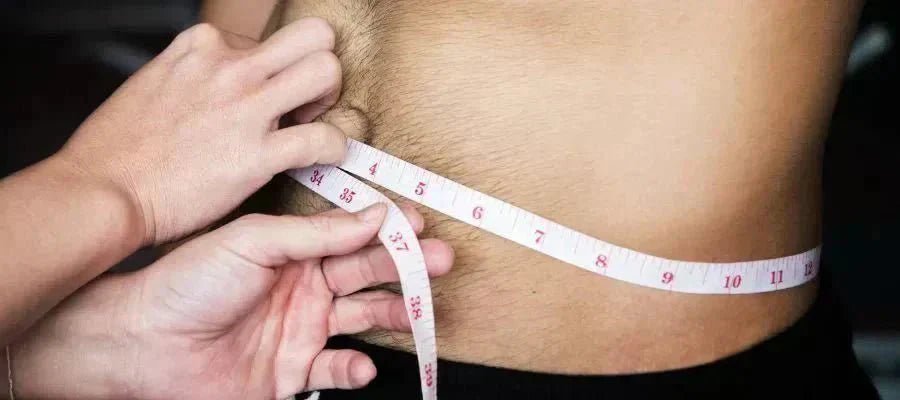
Option 2 – Measure Your Waist Directly (Most Accurate)
Wrap a flexible tape measure around your waist at the height you plan to wear your belt.
Make sure the tape is firm but not tight.
The measurement in inches is your belt size.
Option 3 – Use Your Pant Size (Approximate Only)
Take your pant waist size and add approximately 2 inches.
Example:
50-inch pants = 52-inch belt.
If between sizes, sizing up is generally safer for comfort.
For additional support, visit our detailed Belt Sizing Guide before ordering.
6. Can Leather Belts Be Resized?
Quality leather belts can be resized — but only if constructed properly.
A well-made belt can be shortened cleanly so it remains balanced and proportional.
Poorly constructed belts, especially layered ones, may not resize neatly.
If you’re investing in a solid leather belt, it’s worth asking whether resizing support is available.
Bodies change. A belt should be able to adapt.
7. What to Look For in a Proper Plus Size Leather Belt
When shopping for extended sizes, look for:
✔ Single-piece construction
✔ Full grain or solid leather
✔ Clear maximum sizing information
✔ Proper edge finishing
✔ Balanced buckle design
✔ Honest transparency about hide limitations
✔ Resizing support
Avoid vague wording like:
-
“Leather look”
-
“Genuine leather” (without clarity)
-
“Extra thick layered construction”
Quality extended sizing isn’t about bulk — it’s about structure.
Final Thoughts
Finding a proper plus size leather belt shouldn’t mean compromising on durability, comfort, or craftsmanship.
Extended sizing requires:
-
Honest hide sourcing
-
Proper strap placement
-
Solid single-piece construction
-
Clear communication about limitations
If you’re searching for extended size leather belts in Australia, focus on construction first — not just advertised length.
A well-made leather belt should mould naturally, wear evenly, and stand the test of time.
And it should fit properly from day one.
If you’d like to explore our extended size range, you can view our Plus Size Leather Belts Collection here.